Published: December 4, 2025 | Category: Industry Insights, Packaging Trends
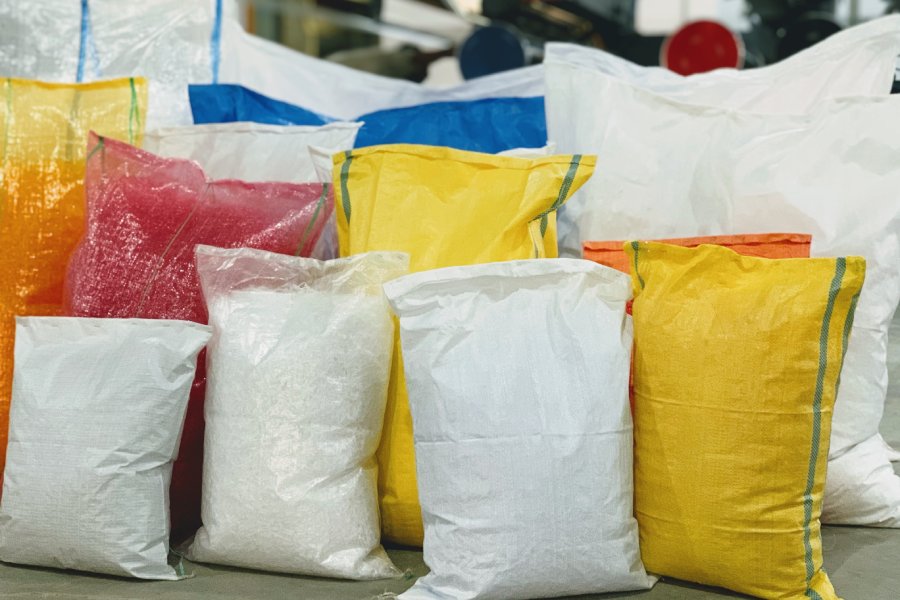
As a vital part of the global industrial packaging supply chain, the woven bags industry is experiencing a profound transformation in 2025. Global environmental policies, material technology breakthroughs and upgraded downstream demand have formed a triple driving force, pushing the industry to evolve from traditional production toward green, intelligent and high-value-added development. As the world’s largest producer and exporter of woven bags, China is reshaping the global supply pattern with technological innovation and compliance upgrades, bringing new cooperation opportunities for global partners.
Global Woven Bags Market Steady Growth: Regional Demand & Structure Differentiation
In 2025, the global woven bags market maintains steady growth with an annual growth rate of about 4.5%, and total output is expected to exceed 85 million tons. Eco-friendly and functional woven bags have become the main growth drivers.
The Asia-Pacific region accounts for 68% of the global market, supported by manufacturing clusters and infrastructure demand. China contributes more than 50% of global woven bags output, leading the global supply system. Markets in Southeast Asia and South Asia grow 2–3 percentage points faster than the global average, driven by construction and agricultural demand.
European and American markets focus on high-compliance, high-recyclability packaging with strict requirements for carbon footprint, recycled material ratio and hazardous substance restrictions. High-end woven bags are priced more than 35% higher than traditional products, creating significant premium space.
In terms of demand structure:
- Cement packaging remains the largest sector but with a declining proportion
- Chemical industry demand for moisture-proof, UV-resistant, acid & alkali resistant woven bags rises to 28%
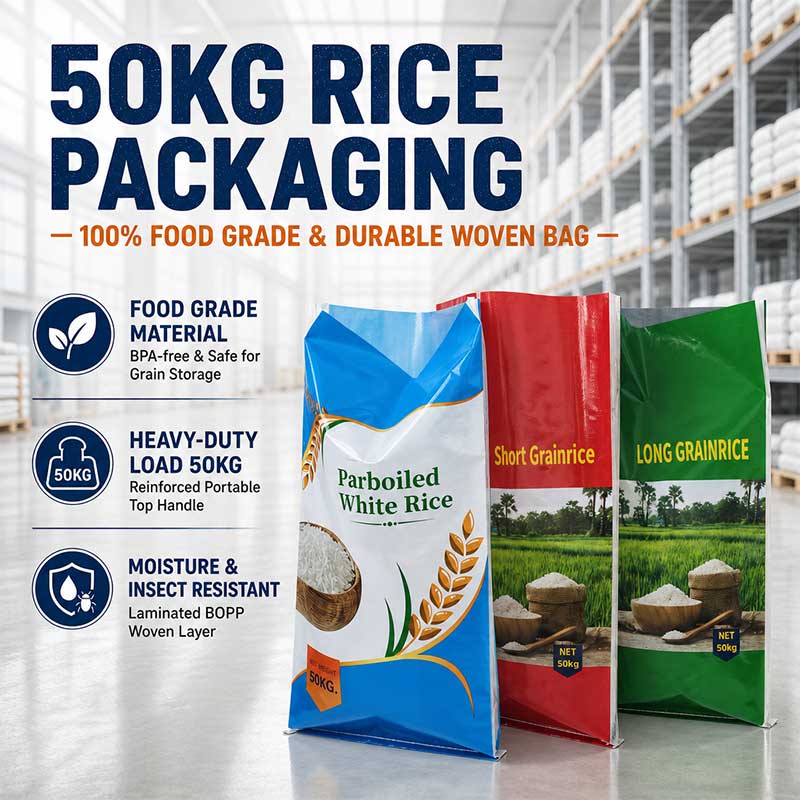
- Agricultural demand stays stable, while food-grade woven bags increase 25% year-on-year
- E-commerce logistics and cold chain become new growth poles, with global monthly consumption exceeding 12 billion pieces
Global Environmental Policies Tighten: Compliance Becomes Core Competitiveness
In 2025, strict environmental regulations are reshaping the woven bags industry worldwide. The EU’s Packaging and Packaging Waste Regulation (PPWR 2025/40) officially takes effect, requiring full recyclability, minimum recycled plastic content and strict limits on harmful substances (such as PFAS) across the product life cycle.
China’s new plastic pollution control plan also promotes renewable and degradable materials, and low-standard products under 0.025mm will be phased out by 2026.
Driven by policies, eco-friendly woven bags are replacing traditional products rapidly. Their global market share will exceed 30% in 2025, with a scale exceeding 50 billion yuan, and degradable products growing at 35%.
PP woven bags with EU EN13432, US ASTM D6400 certification and 30%–50% recycled polypropylene content have become key for exporters to enter European and American markets. Certified products achieve over 80% higher order growth than non-certified products.
Technology Innovation & Intelligent Manufacturing Upgrade Materials & Production
Material innovation supports industry transformation. Bio-based and modified materials are widely applied, including PLA composites, PBAT and starch-based materials. Starch-based woven bags can fully degrade within 180 days under industrial composting and have been exported to Europe. Graphene reinforcement improves tear resistance by 40%, while advanced recycling technologies lower costs and boost the circular economy.
Intelligent transformation improves efficiency and reduces costs for woven bags manufacturers:
- Fully automatic circular looms reach 150 rpm
- Intelligent printing reduces plate change time to 5 minutes
- Robot palletizing cuts labor by 70%
- MES systems control defect rate below 0.3%
Enterprises with intelligent upgrades achieve 3x higher per capita output, 25% lower energy consumption and 40% shorter delivery time. More than 60% of large global manufacturers are building digital workshops. RFID-integrated smart woven bags shipments surge 300%, improving logistics tracking and supply chain management.
Industry Restructuring: Chinese Manufacturers Lead Global Supply Upgrade
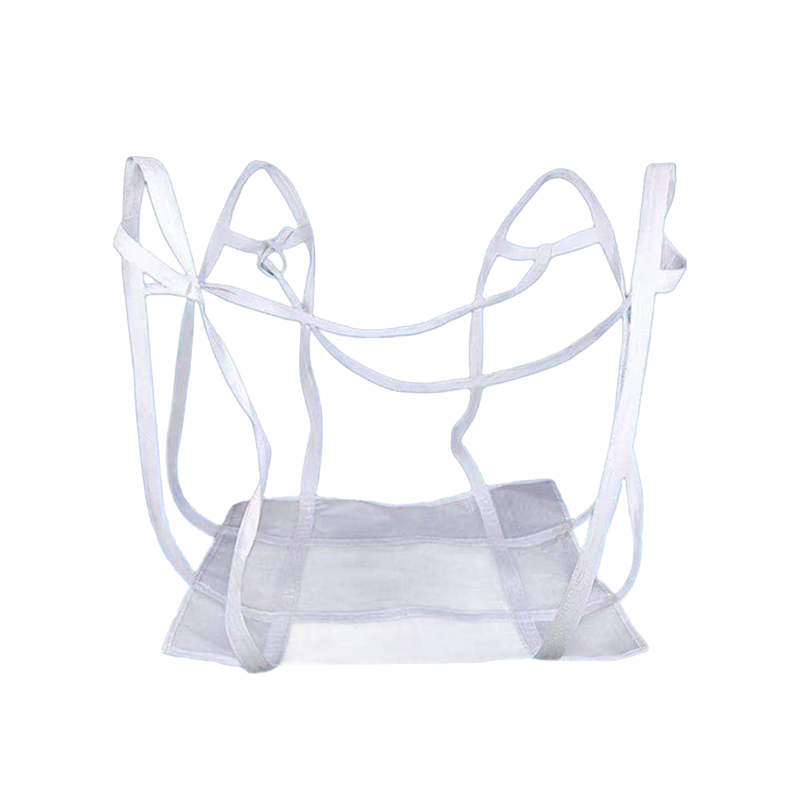
The global woven bags industry is entering a phase of stronger concentration, with the top five enterprises holding 38% market share. China is shifting from scale-driven to technology-driven growth, upgrading exports through R&D, intelligent production and compliance systems. The share of high-end FIBC bulk bags (ton bags) in total exports rises to 35%. Major growth markets include Belt & Road countries, Southeast Asia and the Middle East.
To grasp global opportunities, competitive woven bags enterprises focus on three strategies:
- Develop eco-friendly materials and certified degradable/recyclable products
- Build flexible production for customized e-commerce, chemical and food packaging
- Provide full life-cycle services and circular leasing models to enhance customer loyalty
Enterprises that follow environmental compliance and persistent technological innovation will lead the global competition and promote the long-term sustainable development of the woven bags industry.