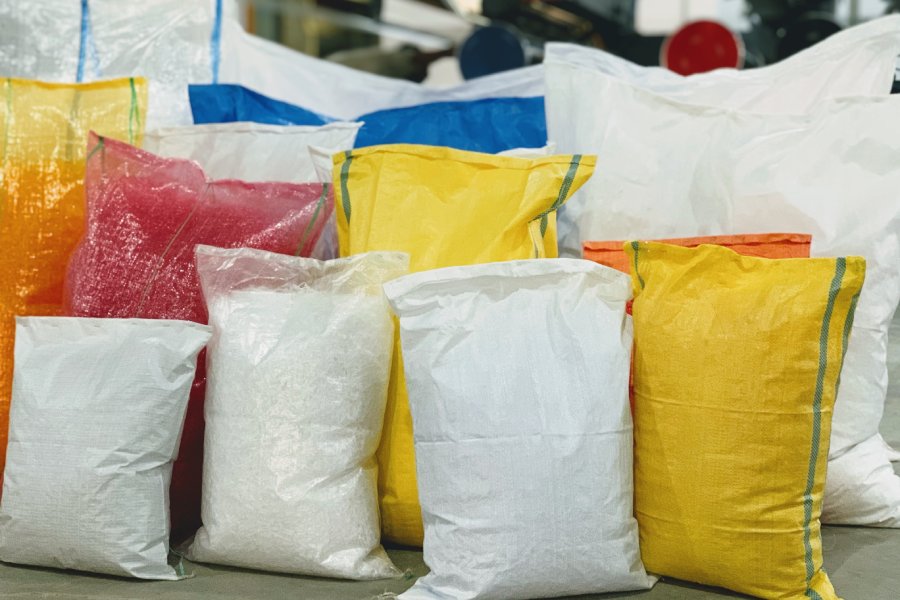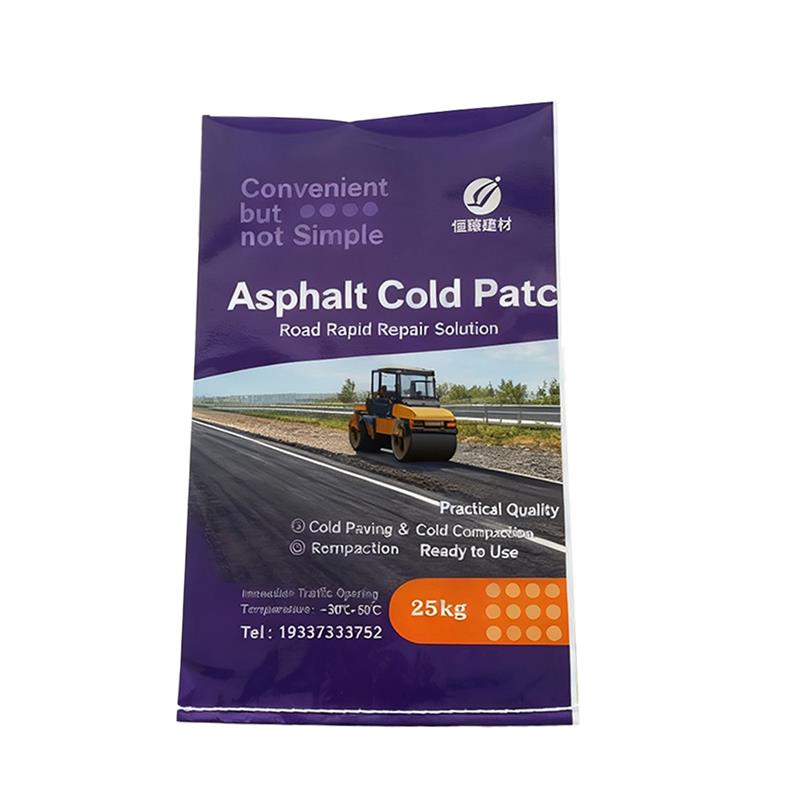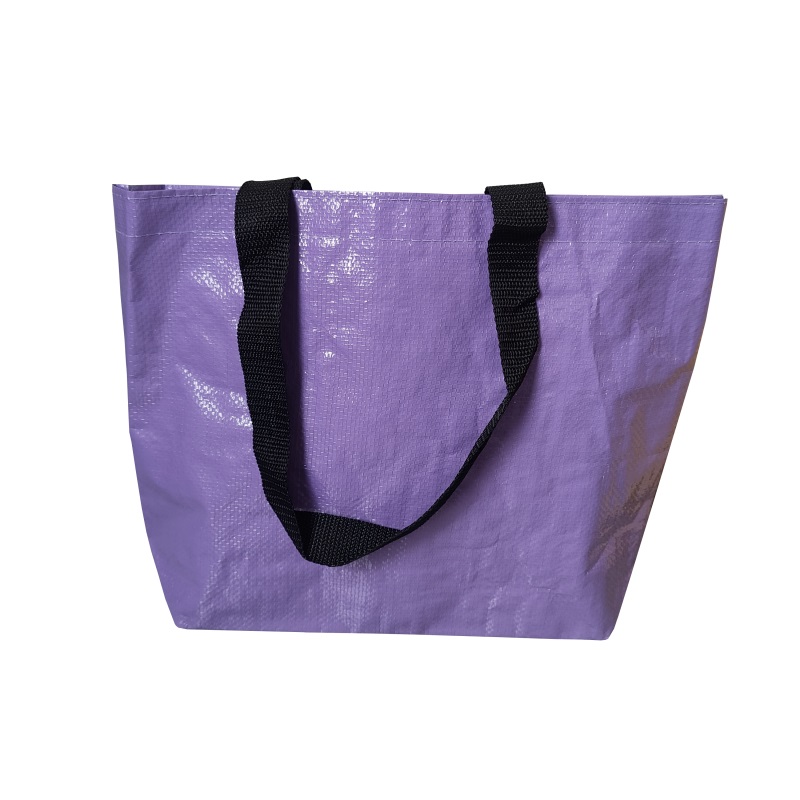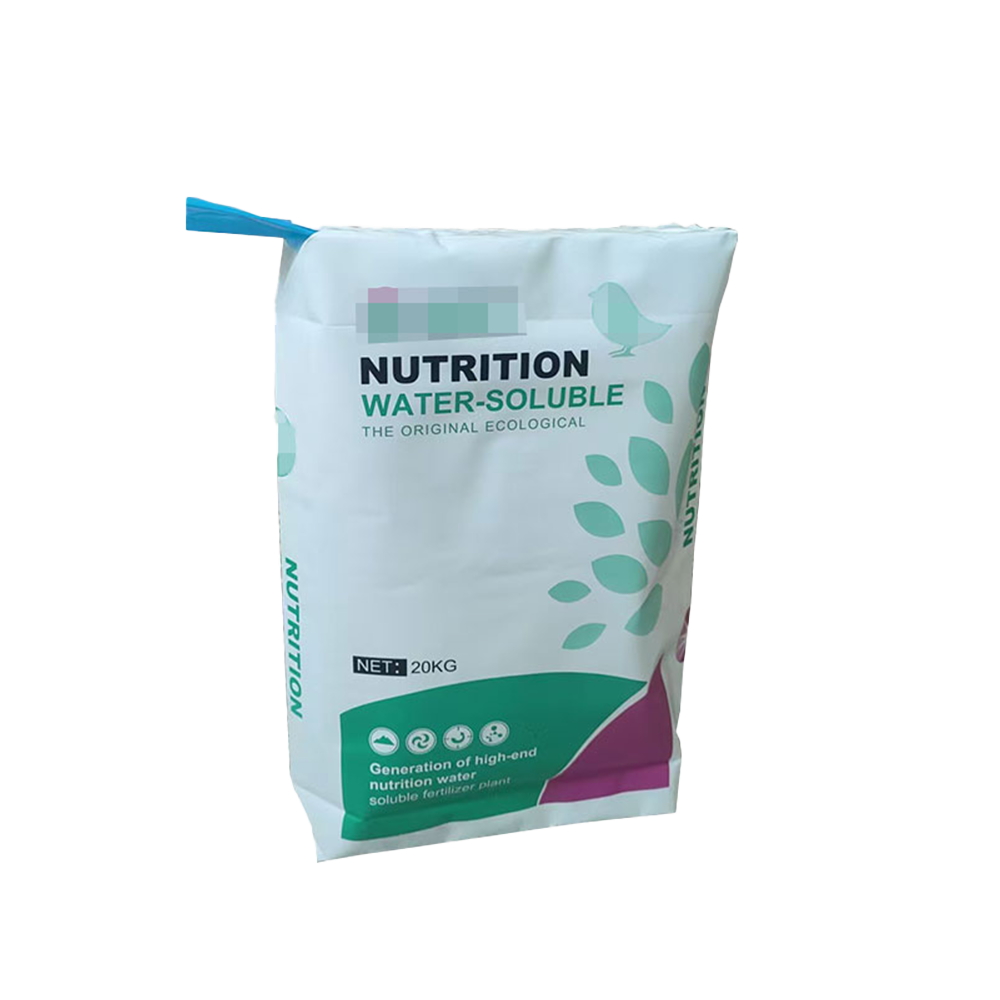
As a key component of the global packaging industry chain, the woven bag industry is set to undergo a profound transformation in 2025. The global tightening of environmental protection policies, the breakthrough development of material technology and the upgrading of downstream demand structure have formed a triple driving force, accelerating the evolution of the industry from traditional production models to green, intelligent and high value-added directions. As the world’s largest producer and exporter of woven bags, China is reshaping the global market supply pattern with technological innovation and compliance upgrades at its core, creating new cooperation opportunities for upstream and downstream enterprises.
The global market size has been steadily expanding, and regional demands are showing differentiated characteristics
In 2025, the global woven bag market will continue to grow steadily, with an annual growth rate remaining stable at around 4.5%. The total market volume is expected to exceed 85 million tons, among which environmentally friendly and functional products will become the core engines of growth. The regional market pattern shows a distinct differentiation: The Asia-Pacific region, leveraging its manufacturing cluster advantages and the infrastructure investment boom, holds a 68% share of the global market. China’s output accounts for over 50% of the global total and continues to dominate the global supply system. The Southeast Asian and South Asian markets have seen growth rates 2-3 percentage points higher than the global average due to the surging demand for construction and agriculture. In the European and American markets, the focus is on high-compliance and high-recyclability products, imposing strict requirements on carbon footprint, the proportion of recycled materials, and restrictions on harmful substances. This has driven the average transaction value of high-end woven bags to increase by more than 35% compared to traditional products, creating a significant market premium space.
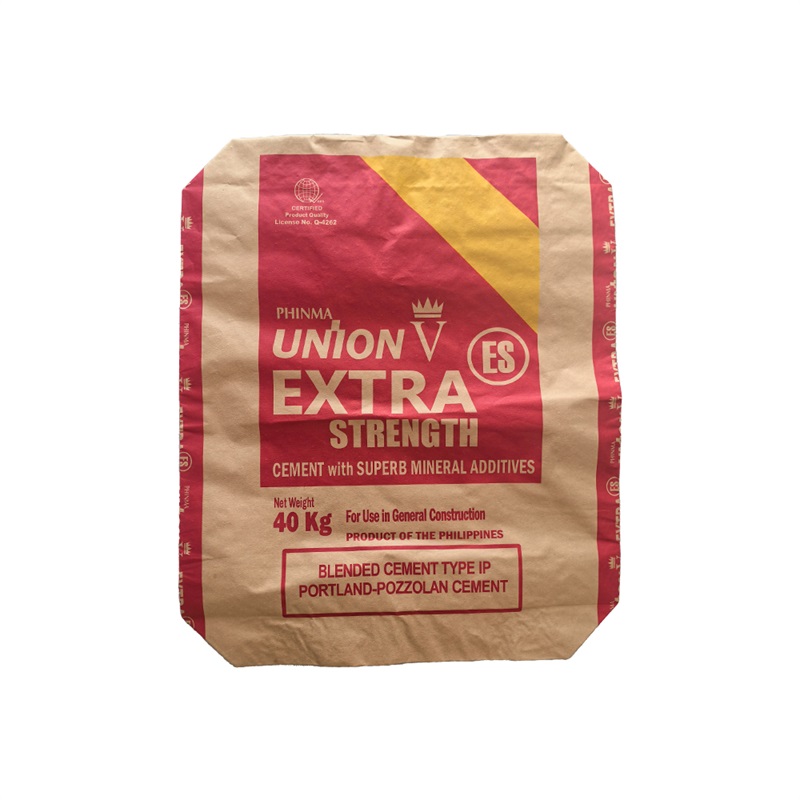
From the perspective of demand structure, traditional application fields are continuously upgrading, while emerging scenarios are rapidly rising: cement packaging remains the largest application sector, but its proportion is gradually declining. The demand for functional woven bags that are moisture-proof, UV-resistant and acid and alkali resistant in the chemical industry has increased significantly, with the proportion rising to 28%. While the agricultural sector maintained a stable demand, the demand for food-grade woven bags increased by 25% year-on-year due to the upgrade of safety standards. It is particularly worth noting that e-commerce logistics and fresh food cold chain have become new growth poles. By 2025, the global monthly consumption of e-commerce woven bags is expected to exceed 12 billion. Lightweight, high-impact, and customized woven bags specifically designed for express delivery have become market hotspots.
The globalization of environmental protection policies has been intensified, and compliance has become the core competitiveness of enterprises
In 2025, environmental protection regulations will enter a period of intensive implementation worldwide, reshaping the development logic of the woven bag industry. The EU’s “Packaging and Packaging Waste Regulation” (PPWR 2025/40) has officially come into effect, requiring that all packaging be economically feasible for recycling by 2030, setting a minimum target for the proportion of recycled plastic packaging materials, and strictly limiting the use of harmful substances such as perfluoroalkyl and polyfluoroalkyl substances (PFAS) Covering the entire life cycle of product design, production and recycling. China’s new action plan for plastic pollution control is being advanced simultaneously, clearly promoting the application of renewable raw materials and degradable materials. By 2026, low-standard products with a thickness of less than 0.025 millimeters will be completely phased out.
Driven by policies, eco-friendly woven bags are accelerating their replacement of traditional products. By 2025, their global market share is expected to exceed 30%, and the industry scale is likely to exceed 50 billion yuan, among which the growth rate of degradable products is as high as 35%. Biodegradable woven bags that have passed the EU EN13432 certification and comply with the US ASTM D6400 standard, as well as recycled products with a recycled polypropylene content of 30%-50%, have become the core competitiveness for export enterprises to seize the European and American markets. The compliance capability of an enterprise directly determines its market access qualifications. The order growth rate of products with international environmental protection certifications in overseas markets is over 80% higher than that of uncertified products.
Technological innovation has broken through bottlenecks, and the dual drive of materials and production has been upgraded
Material innovation has become the core support for industry transformation, and the application proportion of bio-based and modified materials continues to increase. Biodegradable materials such as polylactic acid (PLA) composites, PBAT modifications, and corn starch-based materials have gradually matured. Among them, starch-based woven bags can be completely degraded within 180 days under industrial composting conditions and have achieved large-scale production and been exported to the European market. The application of graphene reinforcement technology has increased the tear resistance of woven bags by 40%, and the breakthroughs in physical recycling and chemical depolymerization technologies for recycled polypropylene have effectively reduced raw material costs and promoted the implementation of a circular economy.
The intelligent transformation of the production end has been accelerated, becoming the key for enterprises to reduce costs and increase efficiency. The speed of the fully automatic circular loom has been increased to 150 revolutions per minute, the plate-changing time of the intelligent printing production line has been shortened to 5 minutes, the robot palletizing system has reduced the labor input by 70%, and the MES production management system has kept the product defect rate within 0.3%. Data shows that enterprises that have completed intelligent transformation have seen a threefold increase in per capita output, a 25% reduction in energy consumption, a 40% shortening of delivery cycles, and an input-return period that has been reduced to 2.3 years. This has prompted over 60% of large-scale enterprises worldwide to initiate the construction of digital workshops. In addition, the shipment volume of smart woven bags integrated with RFID tags has increased by 300%, providing a brand-new solution for logistics tracking and supply chain management.
The industry landscape is accelerating its restructuring, with Chinese enterprises leading the global supply upgrade
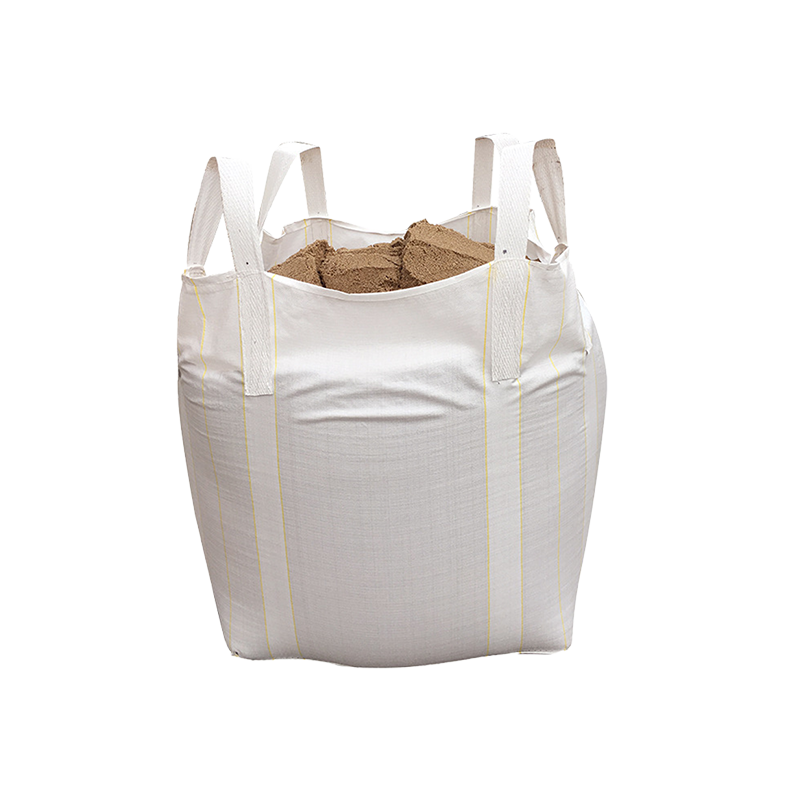
The global woven bag industry is undergoing a reshuffling process of “the strong getting stronger”, with market concentration continuously increasing. The market share of the top five enterprises has expanded to 38%. As the core of the industry, China is transforming from “scale-driven” to “technology-driven”. Enterprises are promoting the high-end structure of export products through material research and development, intelligent production and the construction of compliance certification systems. The proportion of high-end ton bags in the total export volume has risen to 35%. The countries along the “Belt and Road” and the markets in Southeast Asia and the Middle East have become the main growth destinations.
Facing new opportunities in the global market, woven bag enterprises with core competitiveness are focusing on three major directions: First, deepen the research and development of environmentally friendly materials and launch degradable and highly recyclable products that meet the certification standards of multiple countries; Second, promote the construction of flexible production capacity to meet the customized demands in fields such as e-commerce, chemicals, and food. Third, build a full life-cycle service system. Through the “packaging as a service” model and a circular leasing system, enhance customer stickiness. In the future, only enterprises that accurately grasp the trend of environmental protection compliance and continuously innovate in technology can take the leading position in global market competition and jointly promote the development of the woven bag industry towards sustainability and high quality.