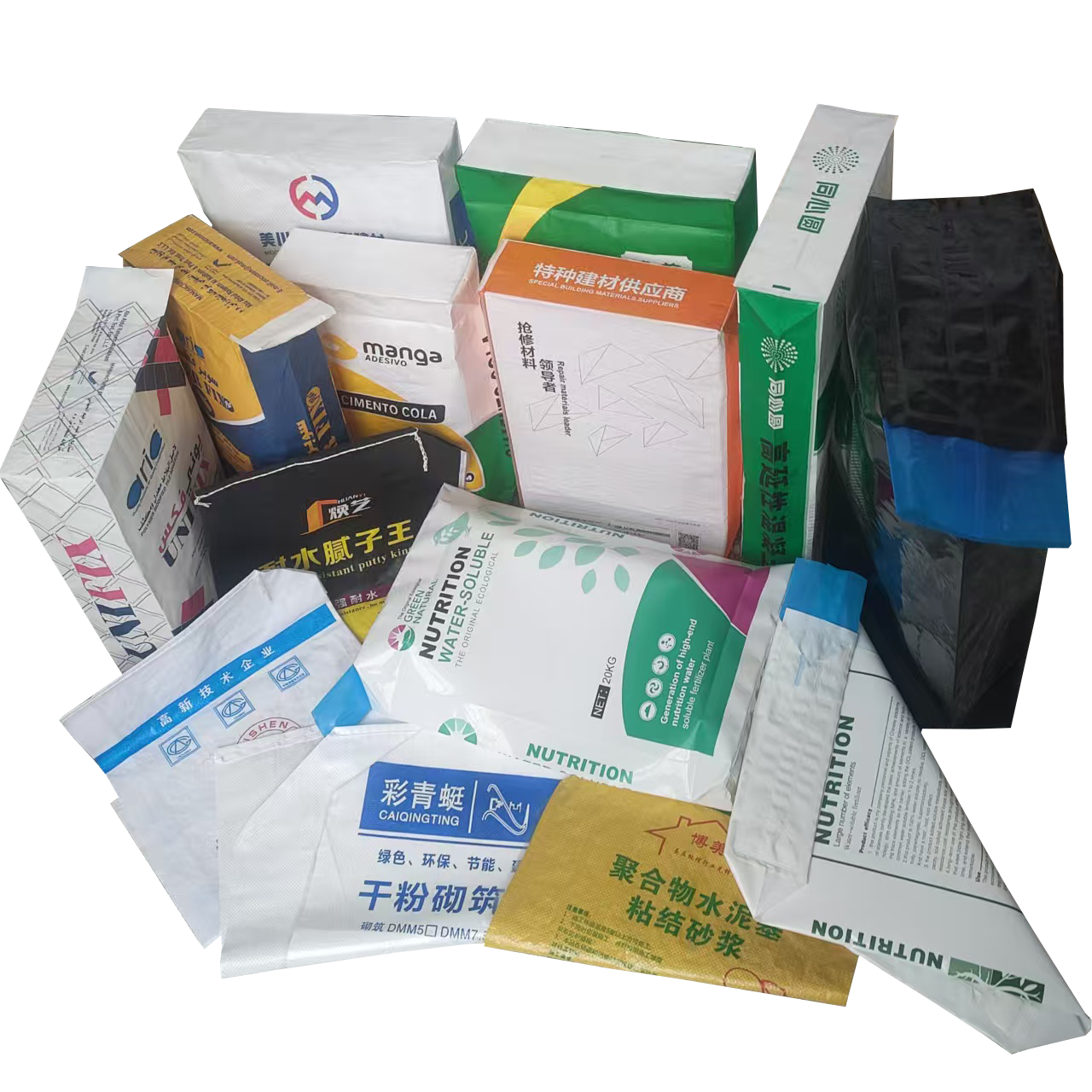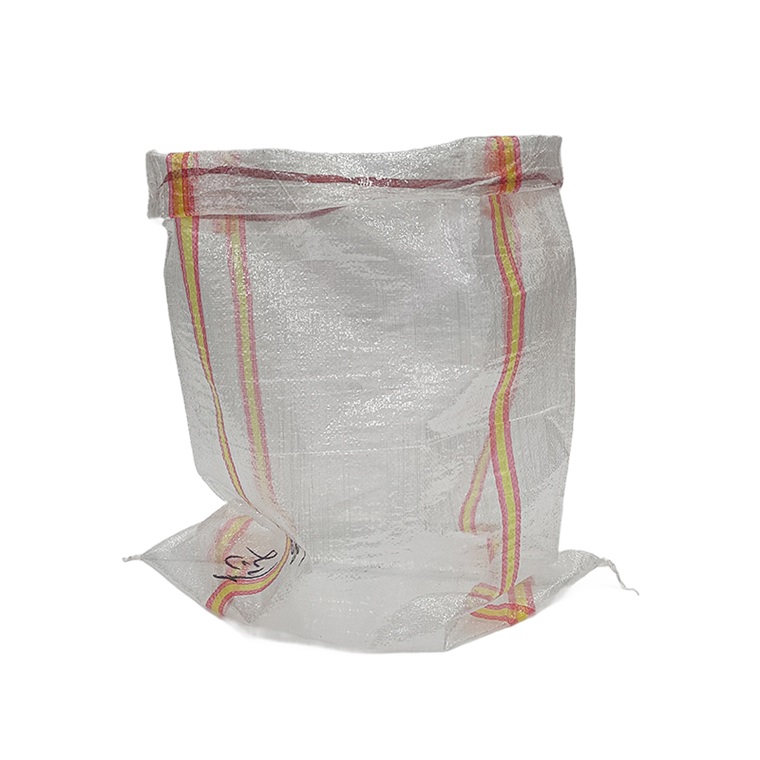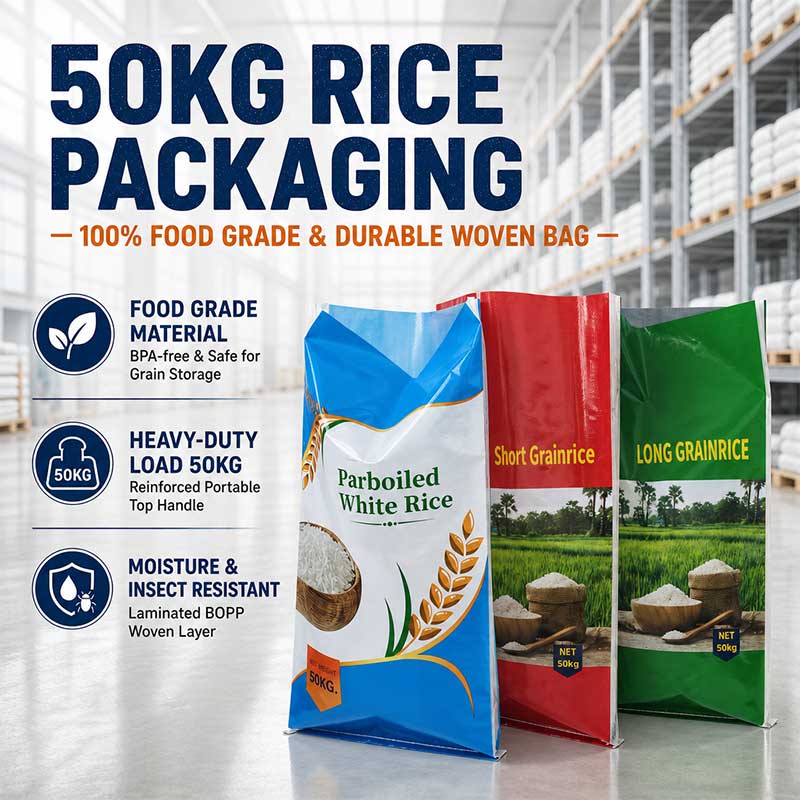
Quick answer: When choosing a valve bag manufacturer in China, verify four things before ordering: (1) the factory makes valve bags on its own production lines (not just trades them), (2) it can show you valve-specific quality checks — valve size tolerance, self-sealing performance and a real filling test, (3) it provides material and certification documents for your market (food-grade, EN 13432, recycled content), and (4) it agrees to sample testing and third-party inspection before shipment. Use the checklist below at every shortlist stage — it takes 30 minutes and saves months of packaging headaches.
Valve bags look simple, but they are one of the most technically demanding packaging products: the valve must close cleanly under filling pressure, the material must hold fine powders without leaking, and the printing must survive warehouse and transport conditions. A small factory mistake becomes dust on your filling line, damp product in your customer’s warehouse, or a bag that fails in transit.
As a Zhengzhou-based manufacturer that has produced PP, PE and paper valve bags for 15 years, this is the checklist we give to our own buyers — and the one we expect them to use on us.
1. Confirm the factory actually makes valve bags
Trading companies and general bag factories both sell “valve bags”. Before anything else, confirm production capability:
- Ask for a live video tour of the valve bag production line (weaving, laminating, printing, valve welding).
- Ask which machines produce the valve: valve bags require dedicated valve-forming or valve-application equipment. A factory that cannot name its valve equipment usually does not make them in-house.
- Ask about monthly valve bag output — a real manufacturer gives a concrete number (e.g. “500,000 bags/month across PP, PE and paper valve bags”).
If the answer is vague or the video call “is not possible”, move on.
2. Check valve-specific quality, not just general quality
General bag quality (weave density, print quality) matters, but valve bags live or die on the valve itself. Ask these three questions specifically:
Valve size and position
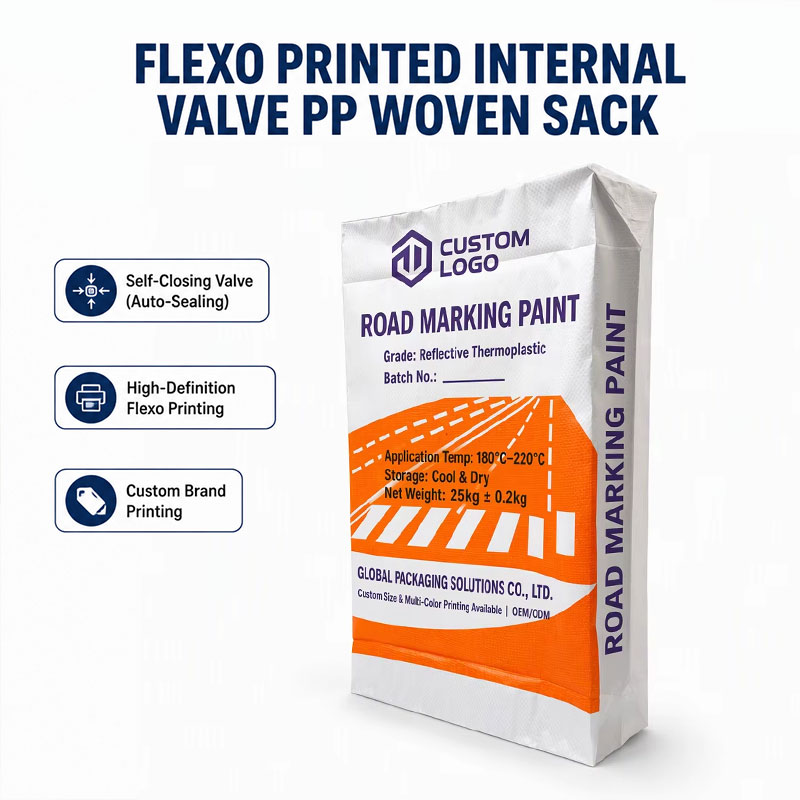
- What valve dimensions do you produce (e.g. 6×13 cm, 10×15 cm, side vs corner valve)?
- Can the valve match my filling machine’s spout size? Get this in writing — a 2 mm mismatch causes filling jams.
Self-sealing performance
- How does the valve seal after filling — adhesive strip, flap, or pressure closure?
- What is the measured leakage rate on powders (dust emission during and after filling)?
Filling test
- Ask the factory to fill a sample bag with a fine powder (cement or starch) on video, then hold it upside down for 10 seconds. A good valve bag loses no powder.
3. Verify materials and certifications for your end market
Valve bags for chemicals, cement and food-grade products need documentation, not promises:
| Document | What it proves | Ask when |
|---|---|---|
| Material certificate (PP/PE/paper spec) | The substrate matches your order | Every order |
| Food-grade compliance (FDA / EC 1935) | Safe for food/feed contact | Food, feed, seed buyers |
| EN 13432 / ASTM D6400 | Biodegradable/compostable claim | EU & US eco-conscious buyers |
| Recycled-content statement | % of recycled polypropylene | Brands with ESG requirements |
| SGS / BV test reports | Third-party verification | Large orders |
Ask for scanned copies and verify where possible. A genuine factory produces these documents within 24 hours.
4. Audit the QC process (the 30-minute checklist)
Print this table and ask each shortlisted supplier directly:
| Check item | What to verify | Pass / Fail |
|---|---|---|
| Incoming material inspection | Who checks PP/PE resin or paper rolls, and what tests? | ☐ |
| In-production checks | Weave density, lamination adhesion, print registration — checked how often? | ☐ |
| Valve QC | Valve size measured on what % of bags? | ☐ |
| Final inspection | AQL level used (e.g. AQL 2.5); who performs it? | ☐ |
| Pre-shipment inspection | Is third-party inspection (SGS/BV) accepted? How is it scheduled? | ☐ |
| Defect handling | What happens to a rejected batch — rework, replace or refund? | ☐ |
| Sample policy | Are samples free? How many days to produce a custom-printed sample? | ☐ |
Two or more “no” or vague answers → raise the risk level of that supplier.
5. Test samples like you will fill them
Sample stage is where valve bag problems appear. Request samples and run this test protocol:
- Fill test – fill with the actual powder (or equivalent) using a spout similar to your line.
- Seal test – after filling, hold the bag upside down and shake; check for dust leaks at the valve.
- Drop test – drop the filled bag from 1 m; check the valve and bottom seam.
- Print check – verify colour (Pantone), registration and ink adhesion.
- Storage test – leave a filled bag outdoors for 3–5 days; check moisture ingress (for coated/laminated bags).
6. Warning signs to watch for
- ❌ Cannot arrange a live workshop tour or video call.
- ❌ Valve dimensions given only as “standard” with no tolerance.
- ❌ No answer on leakage or filling test results.
- ❌ Certifications claimed but documents never arrive.
- ❌ Price drops significantly after you mention third-party inspection.
- ❌ MOQ and lead time change after sample approval.
FAQ
Q1: What is the standard MOQ for valve bags? 5,000–10,000 pcs per specification is typical. Many manufacturers, including RUIDING, accept trial orders of 1,000–2,000 pcs at a slightly higher unit price — always ask.
Q2: How long does valve bag production take? Standard production is 15–30 days depending on quantity and printing; custom plate-making adds 3–7 days. Add sea freight time (usually 15–35 days) for delivery estimates.
Q3: What is the difference between side valve and corner valve bags? A side valve sits on the bag’s side panel (common for square-bottom bags), while a corner valve is at the top corner. The choice depends on your filling machine’s spout position — your manufacturer should advise on this.
Q4: Can valve bags be made food-grade? Yes, with food-grade materials and compliance documentation (e.g. FDA / EC 1935). Specify food-grade requirements in writing at quoting stage.
Q5: Why does my current valve bag leak dust at the valve? Usually caused by valve size mismatch with the filling spout, weak self-sealing adhesive, or overfilling. A proper filling test at sample stage prevents this.
Q6: Should I use third-party inspection for my first order? For first orders above a few thousand USD, yes. It costs a fraction of the order value and gives you an independent check on quantity, quality and valve performance before shipment.
RUIDING is a Zhengzhou, China based manufacturer of PP, PE and paper valve bags, PP woven bags and FIBC bulk bags, with our own production plant and exports to 50+ countries. For samples or a quotation, email [email protected] or WhatsApp +86 15237147915.