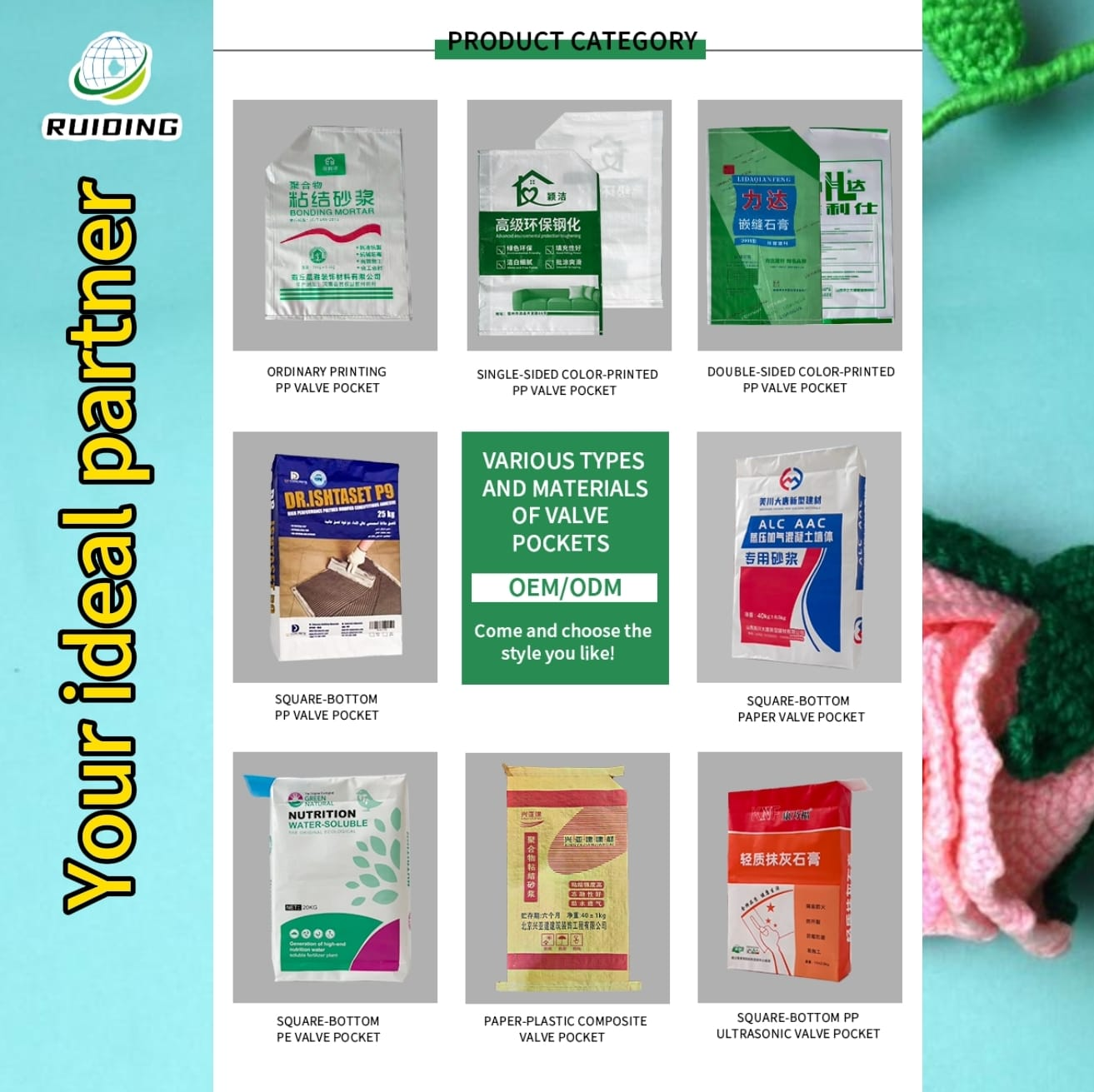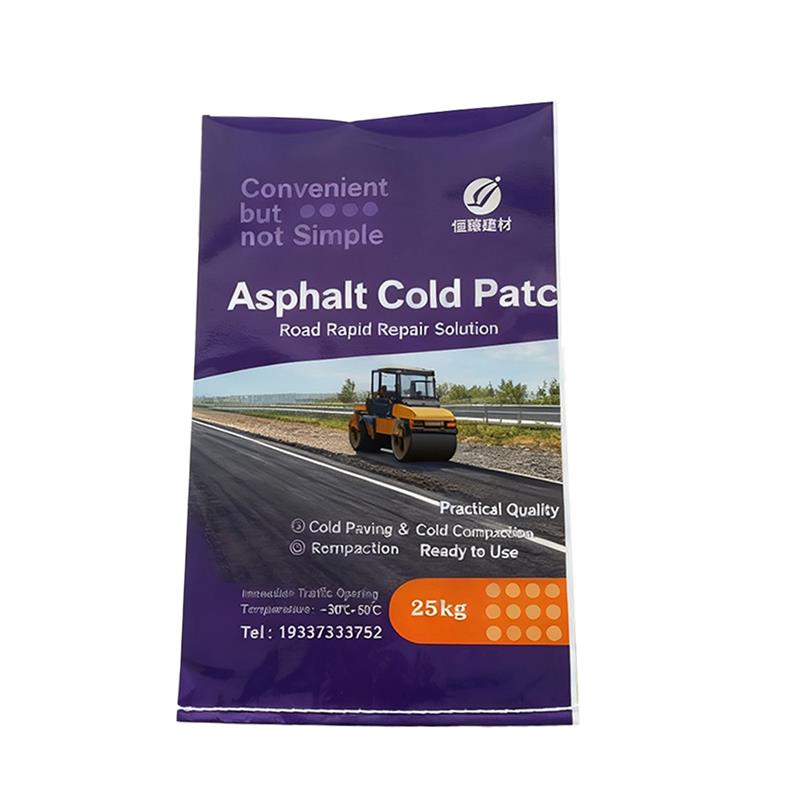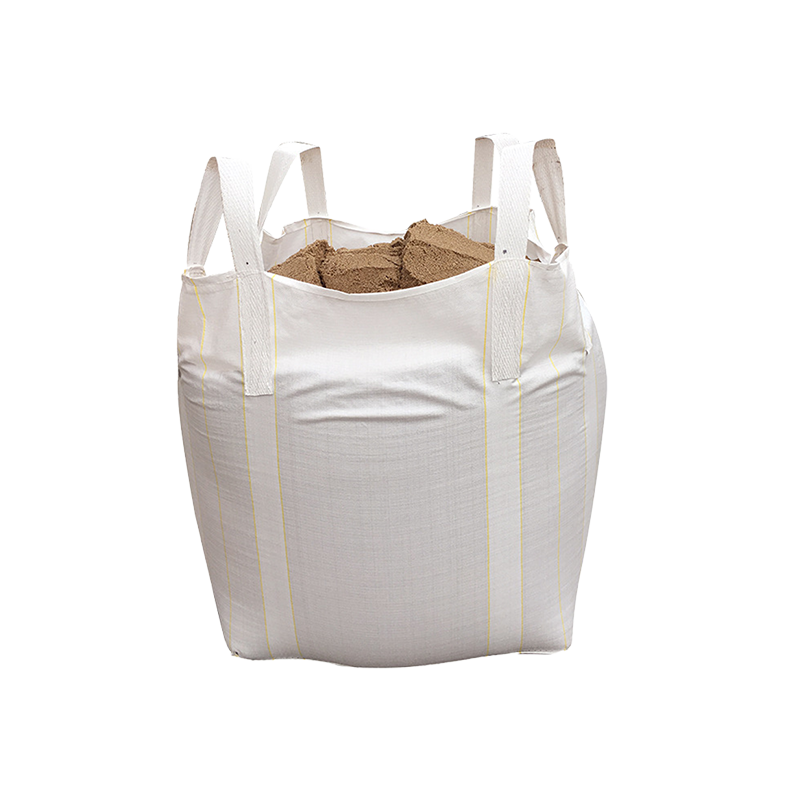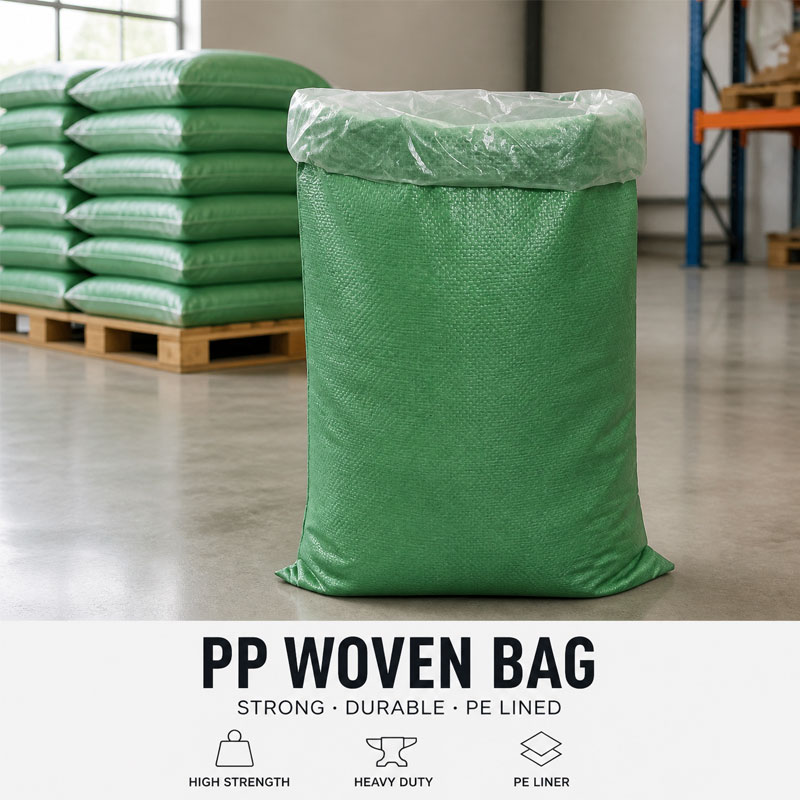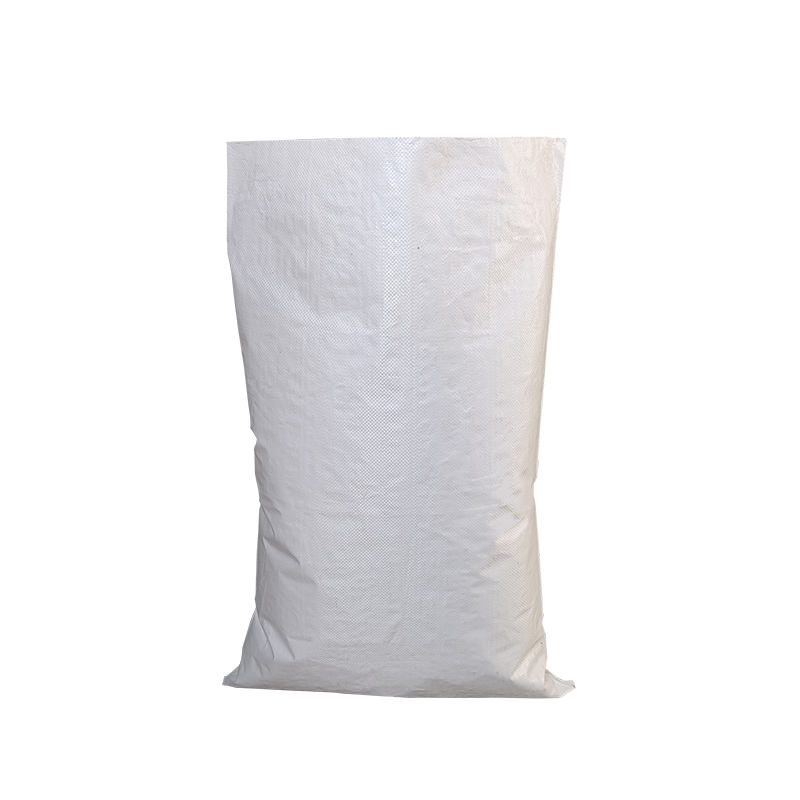
Quick answer: Choose a PP woven bag when your product is poured or scooped from an open top and the bag does not need to be airtight — typical for grain, feed, fertilizer, seeds and construction materials. Choose a valve bag when you fill through a machine valve and need the bag to seal itself tightly after filling — typical for cement, chemicals, powders and fine granules that must stay dry and dust-free.
Both PP woven bags and valve bags are workhorses of industrial packaging, and both are manufactured from woven polypropylene. The difference is not the material — it is how the bag is closed, filled and sealed. Getting this wrong means paying for features you do not need, or discovering leaks and dust problems after your product is already packed.
What is a PP woven bag?
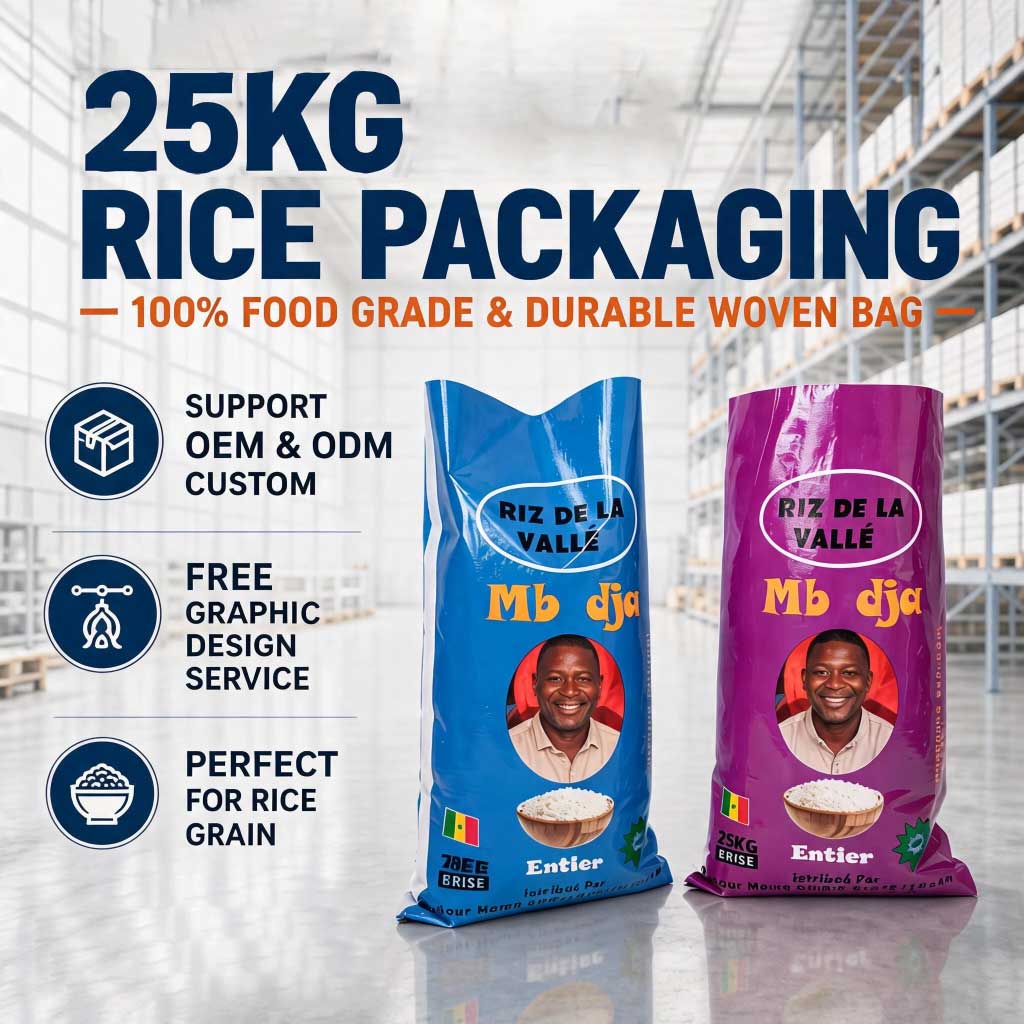
A PP woven bag is a flexible packaging bag woven from polypropylene tapes, usually with an open top (sewn or heat-sealed after filling) and sometimes a laminated or BOPP-coated surface for printing. It is the most common packaging for agricultural and industrial bulk goods.
Typical uses: rice, flour, grain, feed, fertilizer, seeds, vegetables, cement (in some regions), charcoal, and construction materials.
What is a valve bag?
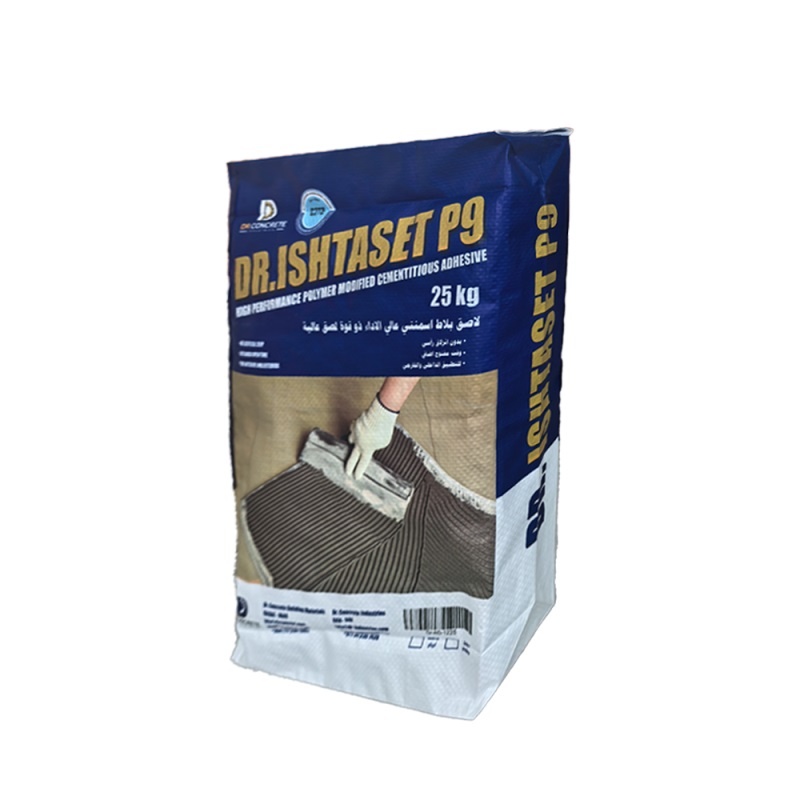
A valve bag has a corner or side valve opening. It is filled through the valve by a filling machine (gravity, auger or impeller), and the valve closes itself under the pressure of the product inside — often with a self-sealing adhesive or simple flap. No sewing or heat-sealing step is needed after filling.
Typical uses: cement, dry mortar, chemicals, pigments, gypsum, lime, and other fine powders or granules where dust control and airtight sealing matter.
Key differences at a glance
| Feature | PP woven bag (open top) | Valve bag |
|---|---|---|
| Filling method | Open top, poured/scooped or machine-filled | Through corner/side valve with filling machine |
| Closing method | Sewn or heat-sealed after filling | Self-sealing valve (adhesive or flap) |
| Airtightness | Moderate (depends on lamination/liner) | Good to high — suited to powders |
| Dust control | Moderate; dust possible at filling | Excellent — sealed during filling |
| Filling speed | Depends on line; slower per bag if sewn | Fast — one step, no closing step |
| Typical MOQ | 5,000 pcs (trial orders possible) | 5,000 pcs (trial orders possible) |
| Cost | Generally lower | Slightly higher (valve + sealing feature) |
| Best for | Grain, feed, fertilizer, produce, construction | Cement, chemicals, powders, granules |
How to decide: 4 questions to ask yourself
1. How is your product filled? If your line already has an auger/impeller filling machine with a valve spout, a valve bag fits directly. If you fill by hand, conveyor or weigh-scale dumping, an open-top woven bag is the practical choice.
2. Does your product leak or absorb moisture? Fine powders (cement, pigments, chemicals) need the tight closure of a valve bag. Coarse or dry goods (grain, feed, seeds) are fine in a sewn open-top bag, especially with lamination.
3. Do you need dust control at the filling point? Valve bags are filled in a closed step, which keeps dust inside the bag and off your line. Open-top bags generate more dust during filling.
4. What does your end customer do with the bag? If the buyer reopens the bag to scoop or pour the product (e.g. feed, rice), an open-top bag is easier. If the bag is emptied by machine or disposed of after one use (e.g. cement), a valve bag’s self-sealing closure is a benefit.
When each wins
Choose PP woven bags (open top) when:
- You package grain, feed, flour, rice, seeds or fertilizer;
- Your filling line is simple (dumping/weighing);
- Your buyers need to reopen the bag easily;
- You want the lowest cost per unit.
Choose valve bags when:
- You package cement, dry mortar, chemicals, pigments or other fine powders;
- You have (or will install) a valve filling machine;
- Dust control and moisture protection are critical;
- You want the fastest possible filling-to-pallet cycle.
Still not sure? A hybrid option exists: open-top woven bags with an inner PE liner or laminated surface offer improved moisture and dust resistance at a moderate cost — a common compromise for fertilizer and chemical granules.
FAQ
Q1: Can a valve bag be filled without a filling machine? Technically possible but not practical — the valve is designed for machine filling. If you have no filling machine, use an open-top woven bag.
Q2: Are valve bags more expensive than woven bags? Unit price is slightly higher due to the valve and sealing feature, but total cost can be lower because filling is faster and requires no sewing/heat-sealing step.
Q3: Can both be custom printed with my logo? Yes. Both are commonly printed flexographically (laminated/BOPP surface) or by gravure, with full colour and Pantone matching. Custom size, thickness and colour are standard.
Q4: What MOQ should I expect? 5,000 pcs per specification is the industry standard. Many manufacturers (including RUIDING) can arrange smaller trial orders of 1,000–2,000 pcs at a slightly higher unit price.
Q5: Which is better for fertilizer? Both are used. Granular fertilizer usually works well in an open-top woven bag with a PE liner; powdery fertilizer products are better in a valve bag for dust and moisture control.
Q6: Do I need food-grade options? If your product is for human or animal consumption (rice, flour, feed), ask for food-grade material compliance (e.g. FDA / EC 1935) and specify it in your order.
RUIDING is a Zhengzhou, China based manufacturer of PP woven bags, valve bags, rice bags and FIBC bulk bags, with our own plant and exports to 50+ countries. For samples or a quotation, email [email protected] or WhatsApp +86 15237147915.